
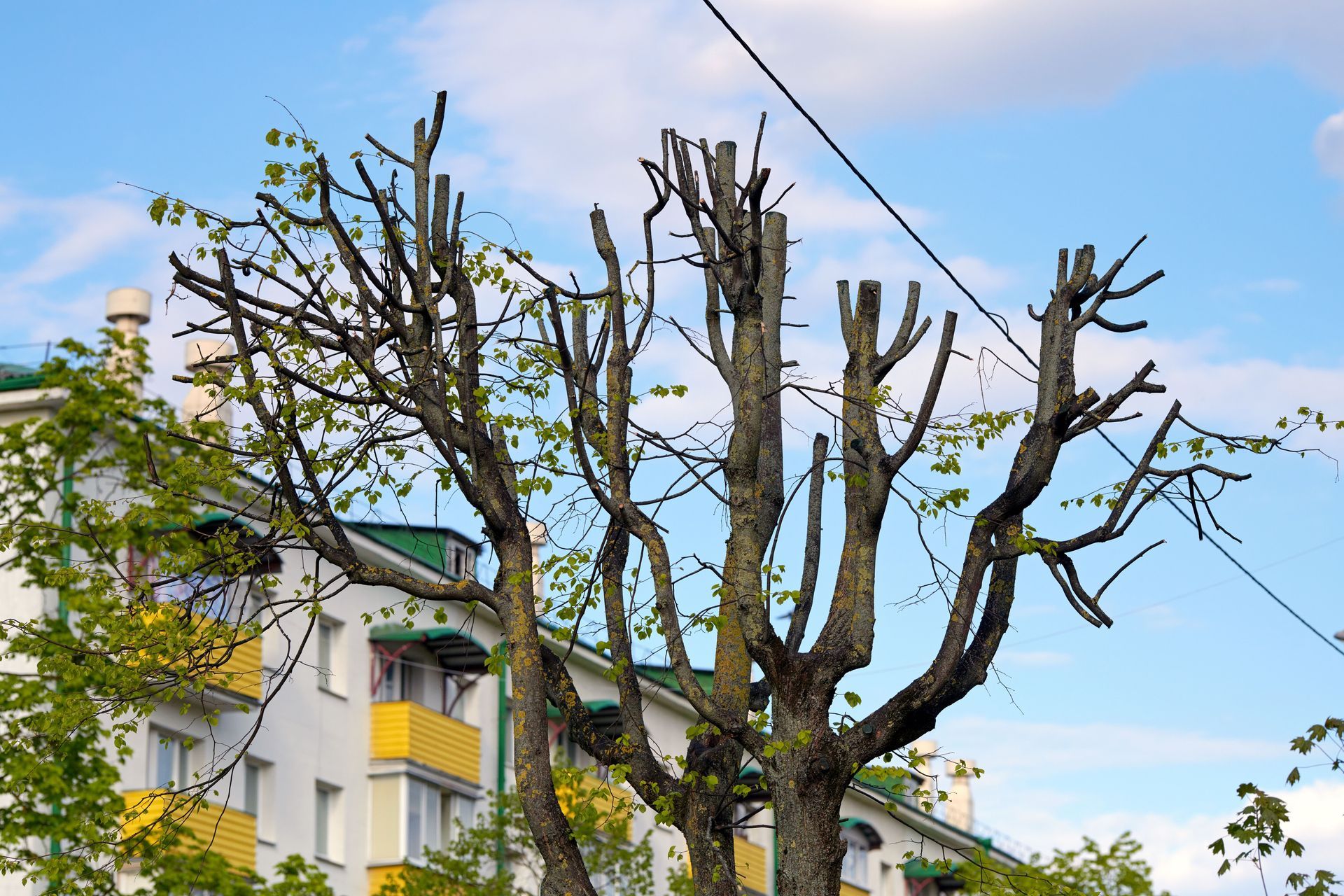
Trees Down, Lot Clean, Ready to Use
Tree Trimming and Removal Services in Riverview for damaged, overgrown, or structurally hazardous trees on residential lots
RCE Landservices handles tree removal and trimming on residential lots in Riverview, from single problem trees to full-property clearings where every trunk, branch, and stump leaves the site. The owner operates the equipment directly and manages each removal rather than delegating to a rotating crew, which means the same person who assessed the tree is the one bringing it down. That direct involvement matters most when a large oak or pine sits close to a structure or utility line and the sequence of cuts has to be deliberate rather than rushed.
The process begins with safe directional felling, then the crew cuts the tree into manageable sections, removes all wood and branches from the property, and either grinds or hauls the stump depending on what the lot requires next. Debris does not stay on-site. The lot is graded clean before the crew leaves, so the ground is level and usable rather than left with ruts, wood chips, and scattered brush. RCE Landservices has documented large oak removals with complete cleanup on residential lots, which gives you a clear picture of what finished work actually looks like before committing.
Set up an on-site assessment to evaluate the specific trees on your property and determine the right removal sequence.
What Full Removal and Cleanup Actually Involves
Tree removal is not finished when the trunk hits the ground. The remaining work—sectioning, loading, stump grinding, debris removal, and final grading—takes as long or longer than the fell itself, and how thoroughly it is done determines whether the lot is genuinely ready for the next phase of work. RCE Landservices treats debris removal and stump disposal as part of the core job, not optional add-ons billed separately at the end.
Once the tree is down and sectioned, all wood and branch material is loaded and removed from the property. Stumps are ground below grade or pulled depending on whether the area will be replanted, paved, or built over—the method matters because a ground stump left at shallow depth can interfere with foundation work or root into drainage lines over time. After stump work is complete, the area is graded flat so you are left with a clean, level surface rather than a depression where the root ball was.
For properties with multiple trees or significant overgrowth, the crew works through the site systematically so that each section is cleared and graded before moving to the next. This approach keeps the lot accessible throughout the job and avoids the situation where debris from one area blocks equipment movement in another.
Questions About Tree Removal and the Work Involved
The questions below focus on how tree removal and cleanup are actually performed on residential lots, including what the crew does at each stage and what you will see when the work is complete.
What determines whether a stump is ground or pulled?
Stumps are ground when the surrounding area will be replanted or left as open lawn, because grinding removes the visible stump without disturbing a wide area of soil. Pulling is appropriate when the lot is being cleared for construction, since extracting the root ball entirely eliminates any risk of organic material decomposing beneath a pad or foundation.
How is a large tree removed safely when it is close to a structure?
The crew uses directional felling techniques, removing limbs from the top down in sections before dropping the main trunk, which controls where each piece lands and keeps weight away from rooflines and fences. In tight situations, each cut is planned around the drop zone rather than the fastest removal sequence.
What does the lot look like after debris removal and grading are finished?
The surface is left flat and clear of wood chips, root debris, and uneven ground left by the stump area; you should be able to walk the lot without finding material the crew left behind.
How does the age and size of the tree affect how removal is sequenced?
Older hardwoods like the large oaks common on Riverview residential lots have dense wood and deep lateral root systems, which means sectioning takes longer and stump grinding requires more passes to reach a workable depth below grade.
What should be done with the area after a stump is ground?
Ground stump areas typically settle slightly as the wood chips decompose, so filling the depression with clean soil and compacting it before seeding or sodding prevents a low spot from forming in the lawn over the following months.
RCE Landservices also performs tree trimming and removal in Brandon, Tampa, Valrico, Lithia, and Ruskin. To move forward, request a property walkthrough so the crew can confirm tree size, access conditions, and stump disposal method before work begins.